
Personal Budgeting: The Complete Guide to Budgeting, Saving Money, and Taking Control of Your Finances

Introduction to Personal Budgeting
Personal budgeting is the foundation of strong financial health. It helps you understand where your money goes and allows you to make better financial decisions. Whether you want to eliminate debt, build savings, or achieve financial freedom, learning how to budget is the first step.
Many people believe budgeting limits their lifestyle. However, a well-planned budget gives you greater financial freedom. Instead of wondering where your money disappeared, you assign every dollar a purpose. As a result, you reduce financial stress and gain confidence in your future.
What Is Personal Budgeting?
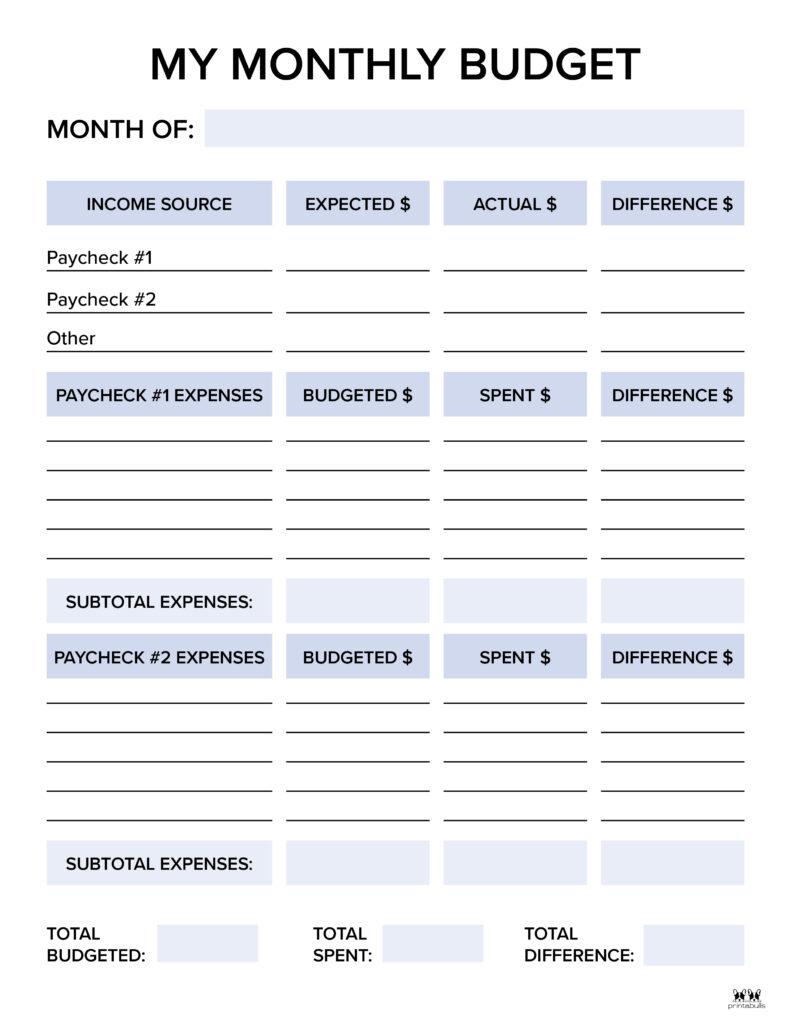

Personal budgeting is the process of planning how you will spend, save, and invest your income over a specific period. Most people create a monthly budget because bills and income usually follow a monthly schedule.
Why Budgeting Matters


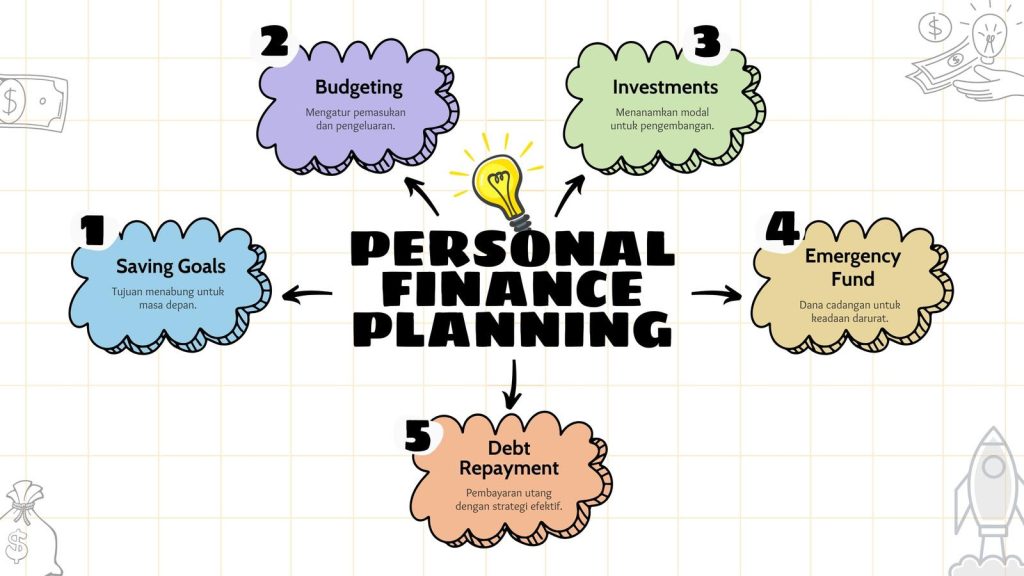
Budgeting provides clarity and direction for your finances. Without a plan, expenses can quickly exceed income.
Benefits of Budgeting
- Reduces financial stress
- Prevents unnecessary debt
- Helps build emergency savings
- Encourages smarter spending
- Improves long-term financial security
- Makes saving money easier
- Supports retirement planning
How to Budget Money Step by Step

Step 1: Calculate Your Monthly Income
Include:
- Salary
- Freelance income
- Side business income
- Investment income
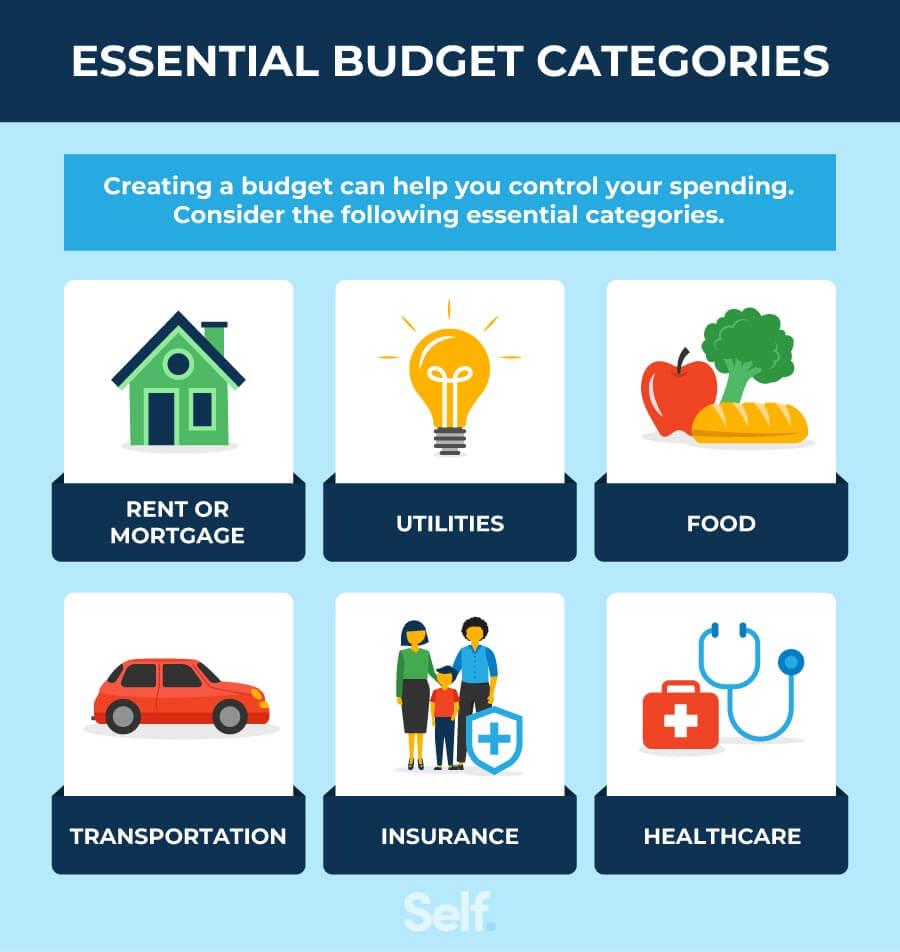
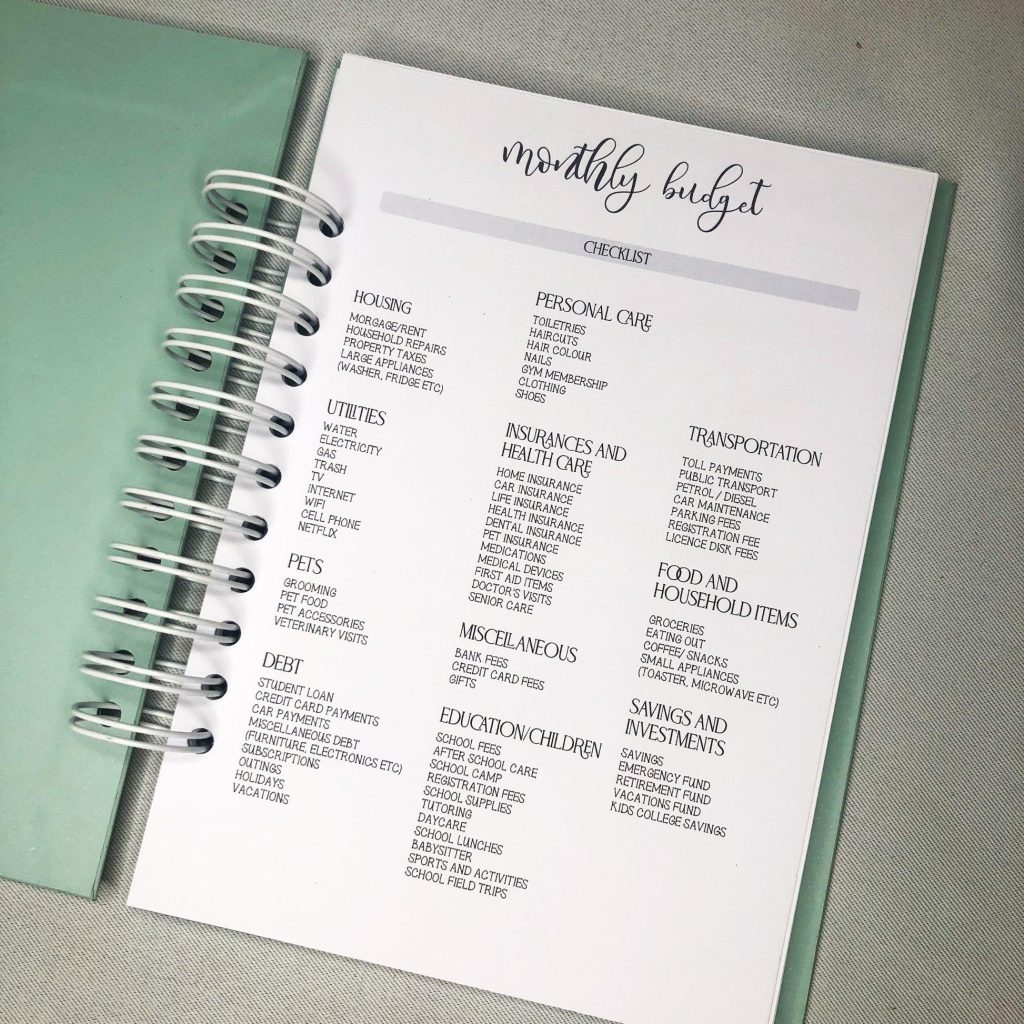
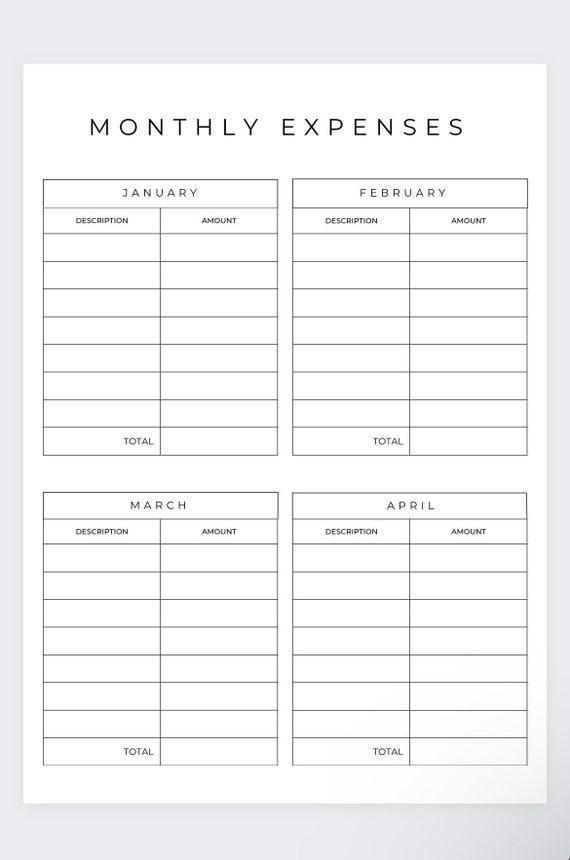
Step 2: List Every Monthly Expense
Track:
- Housing
- Utilities
- Groceries
- Insurance
- Entertainment
- Transportation
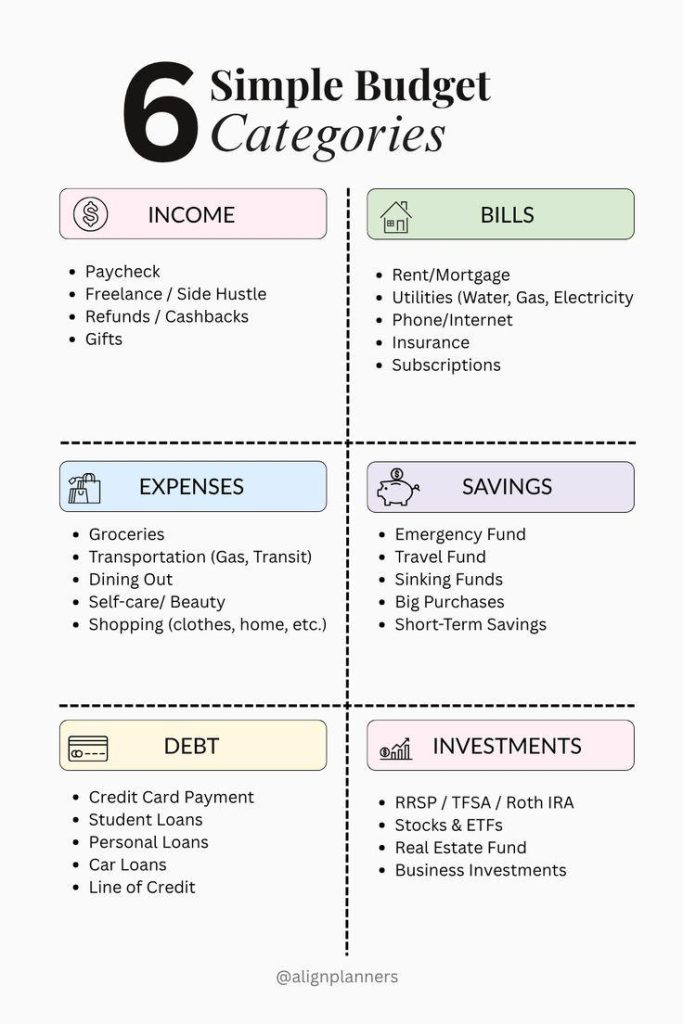
Step 3: Categorize Your Spending
Create categories for every expense to identify spending habits.
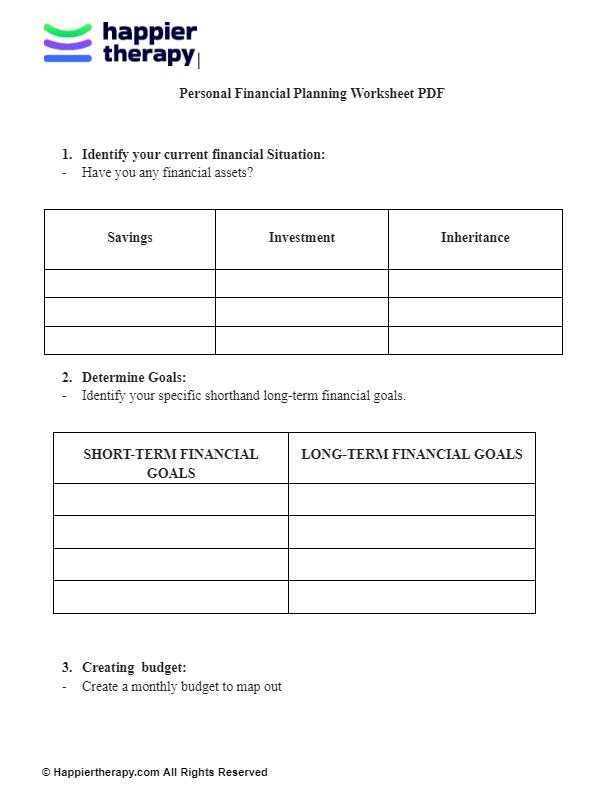
Step 4: Set Financial Goals
Examples include:
- Build an emergency fund
- Eliminate debt
- Save for retirement
- Purchase a home
Step 5: Create Your Monthly Budget
Assign every dollar a purpose.
Budgeting for Beginners
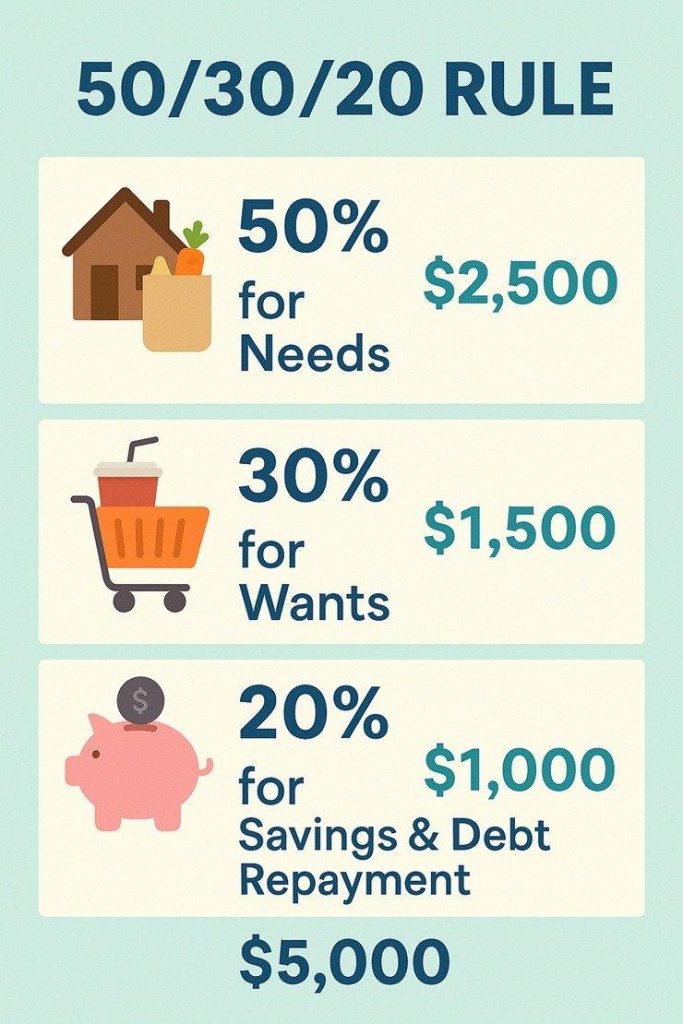
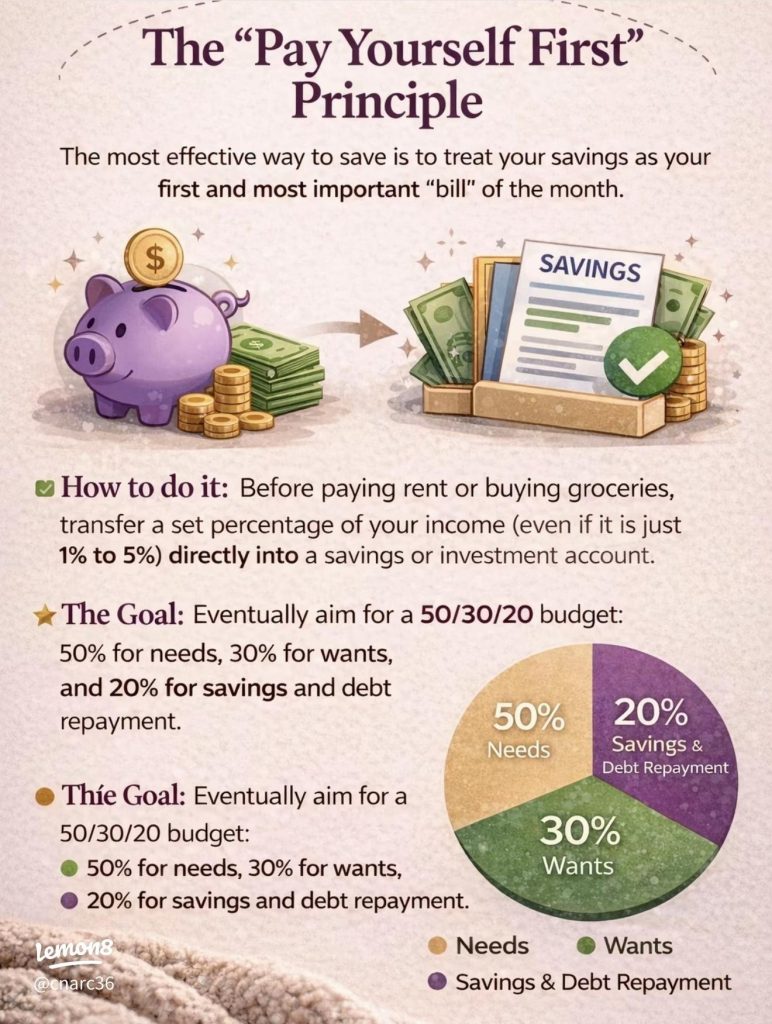
The 50/30/20 Budget Rule
Allocate:
- 50% Needs
- 30% Wants
- 20% Savings and Debt
Zero-Based Budgeting
Every dollar receives a job until income minus expenses equals zero.
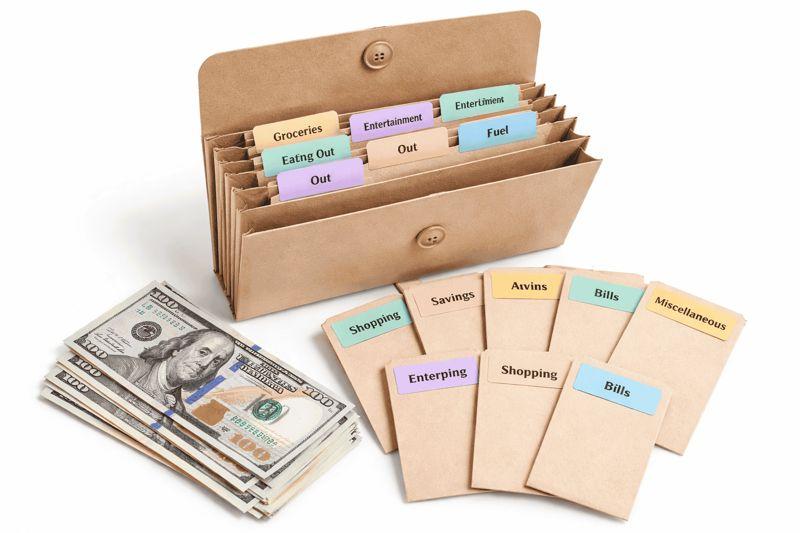
Envelope Budgeting
Separate spending money into envelopes for groceries, fuel, dining, and entertainment.
How to Save Money Every Month

Proven Money Saving Tips
- Automate savings.
- Cook meals at home.
- Cancel unused subscriptions.
- Shop with a grocery list.
- Compare insurance quotes.
- Avoid impulse purchases.
- Buy quality products.
Money Management Tips
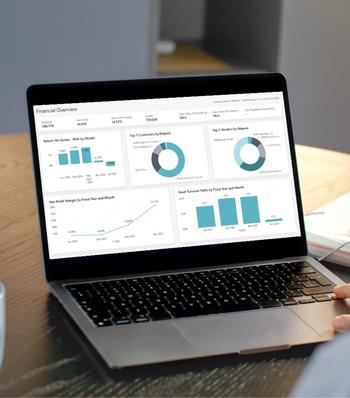

Build Better Financial Habits
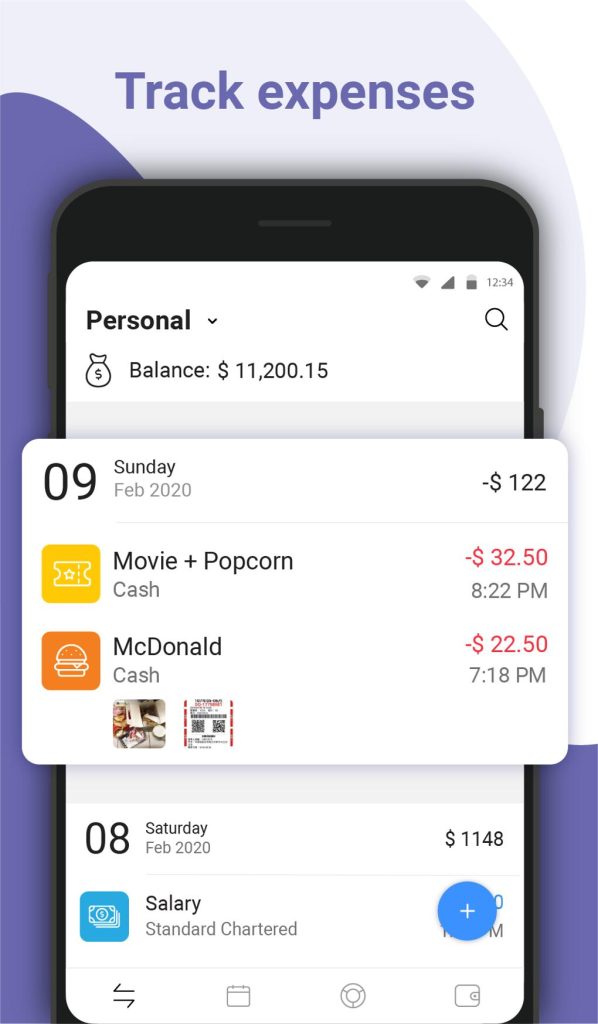
- Track every expense.
- Review your budget weekly.
- Save before spending.
- Build an emergency fund.
- Avoid lifestyle inflation.
- Increase investments over time.
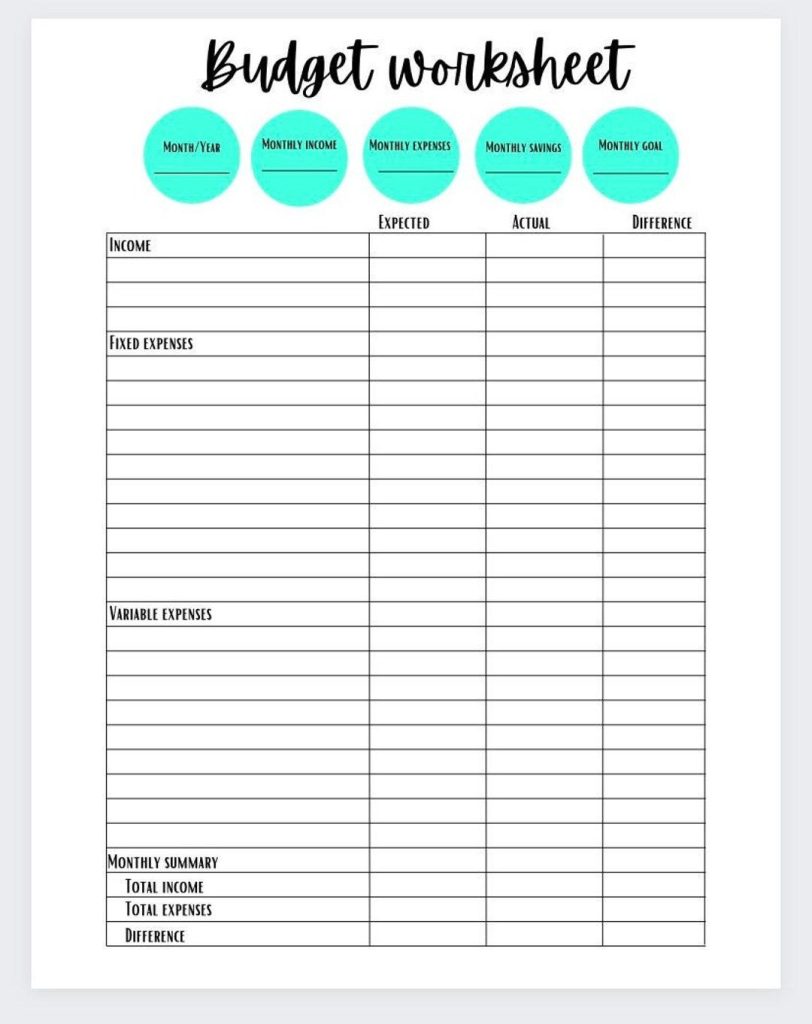
How to Create a Budget Spreadsheet
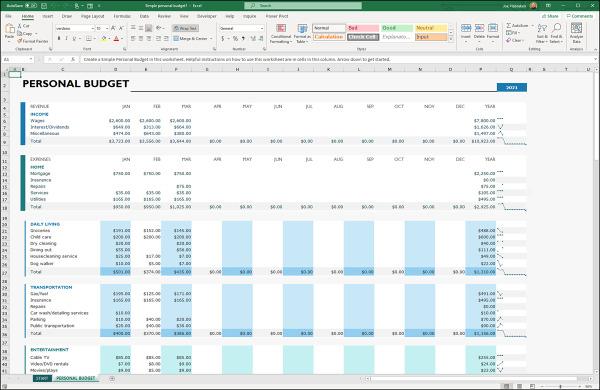
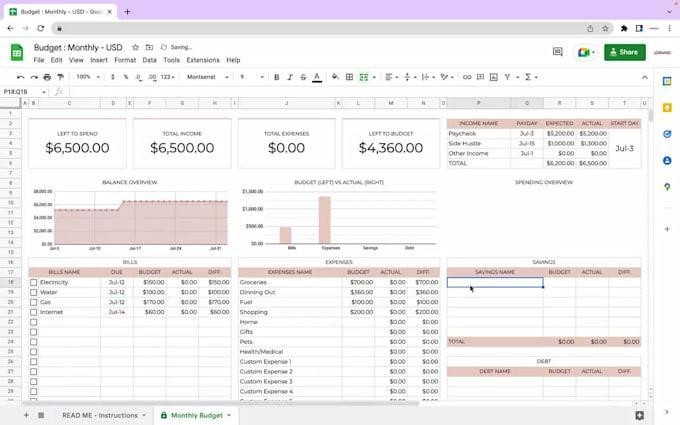
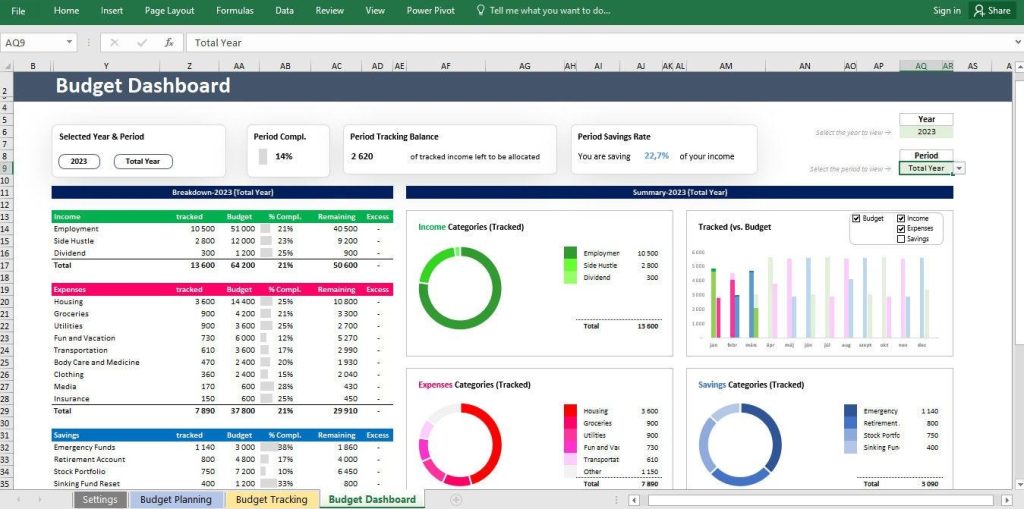
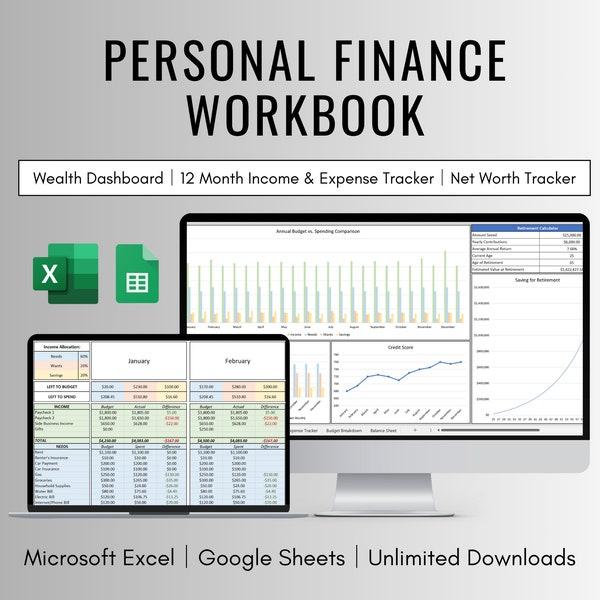
Your spreadsheet should contain:
Income
- Salary
- Side Income
- Investments
Expenses
- Housing
- Utilities
- Transportation
- Food
- Insurance
- Debt
- Entertainment
Summary
- Total Income
- Total Expenses
- Savings Rate
- Remaining Balance
Common Budgeting Mistakes
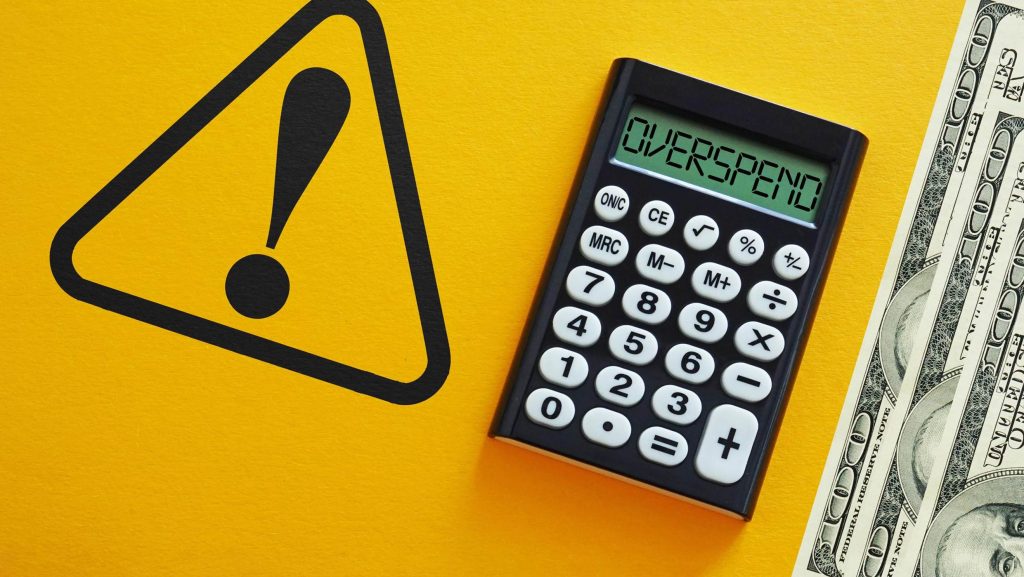
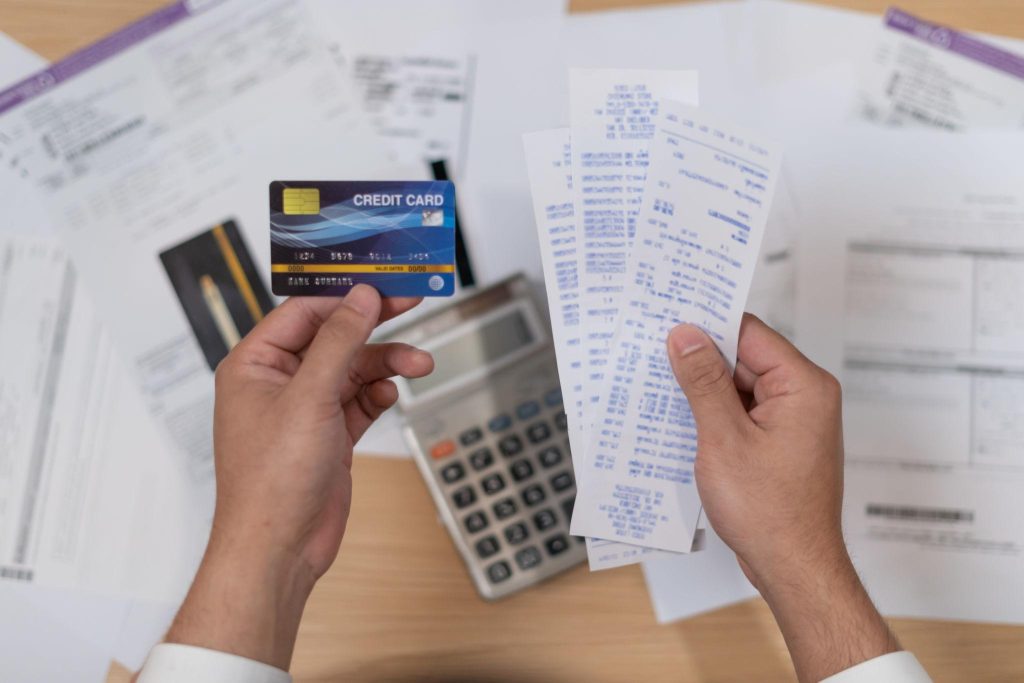
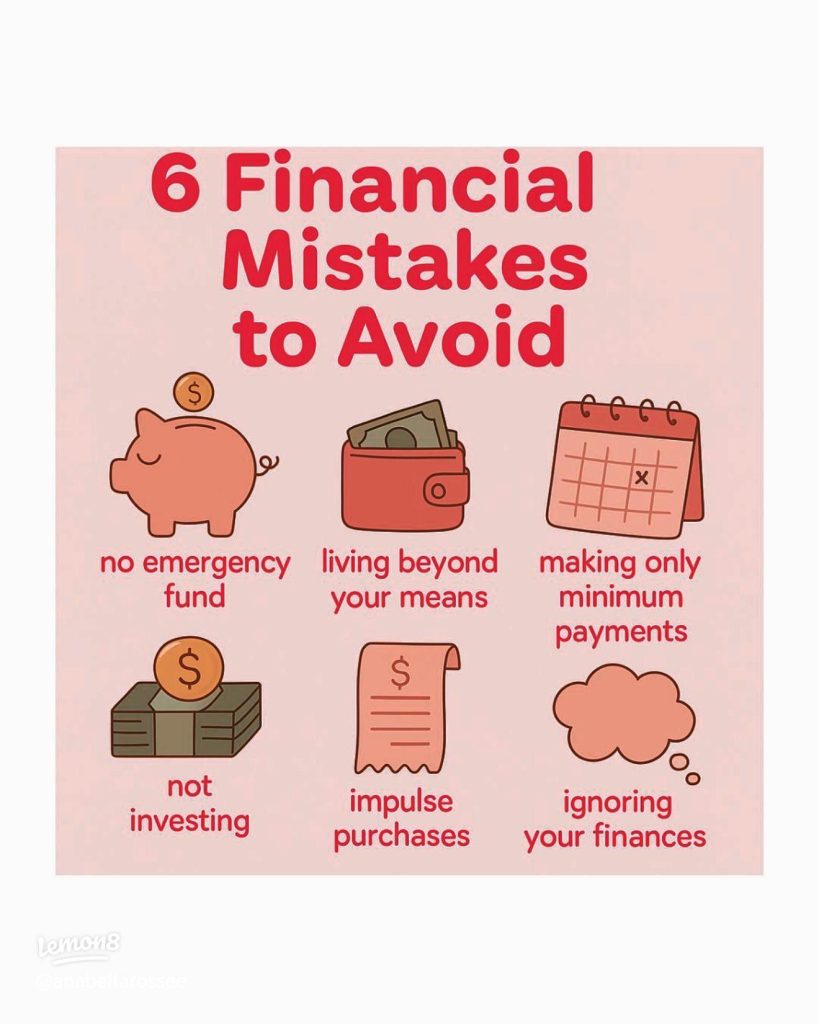

Avoid these mistakes:
- Ignoring small purchases
- Unrealistic budgets
- Forgetting annual expenses
- Skipping savings
- Not reviewing your budget
Best Budgeting Tools

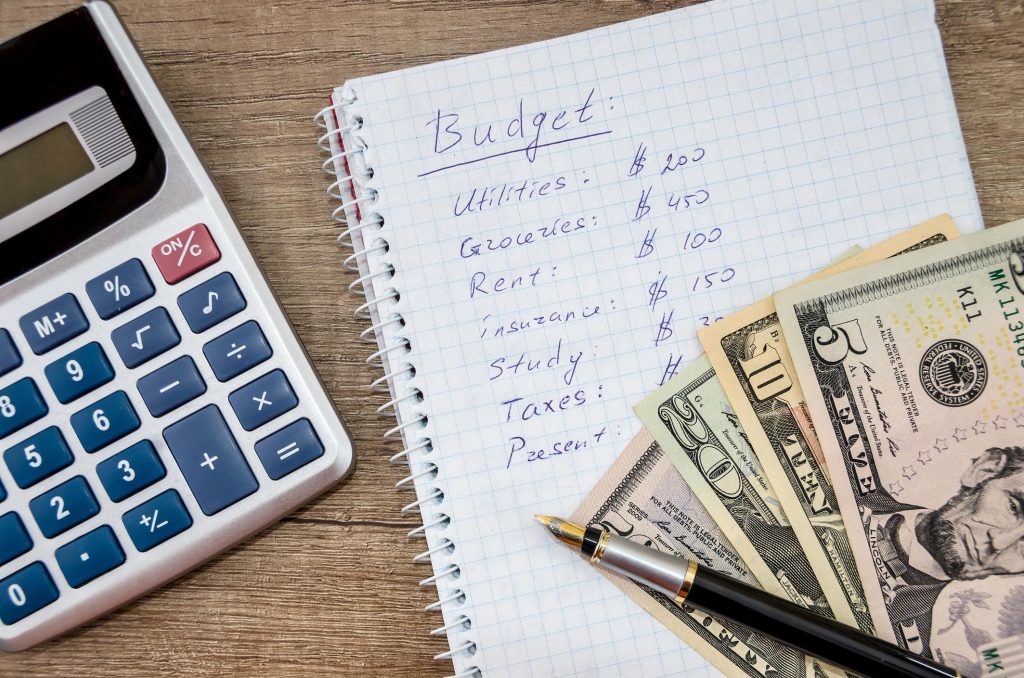
Popular budgeting tools include:
- Budget spreadsheets
- Budgeting apps
- Banking apps
- Expense trackers
- Financial planning software
How Budgeting Builds Wealth



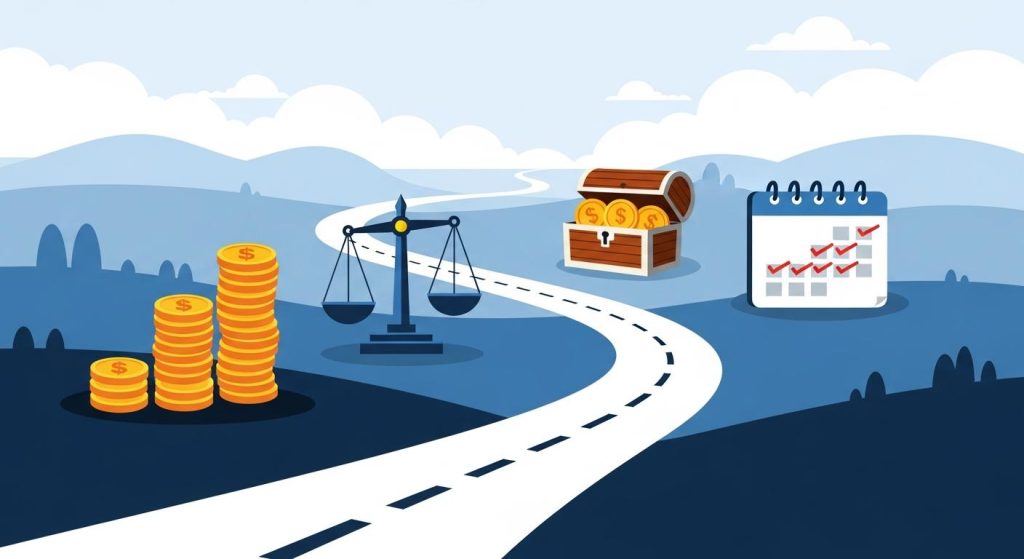
Budgeting allows you to:
- Invest consistently
- Pay off debt faster
- Build retirement savings
- Increase passive income
- Achieve financial freedom
Conclusion

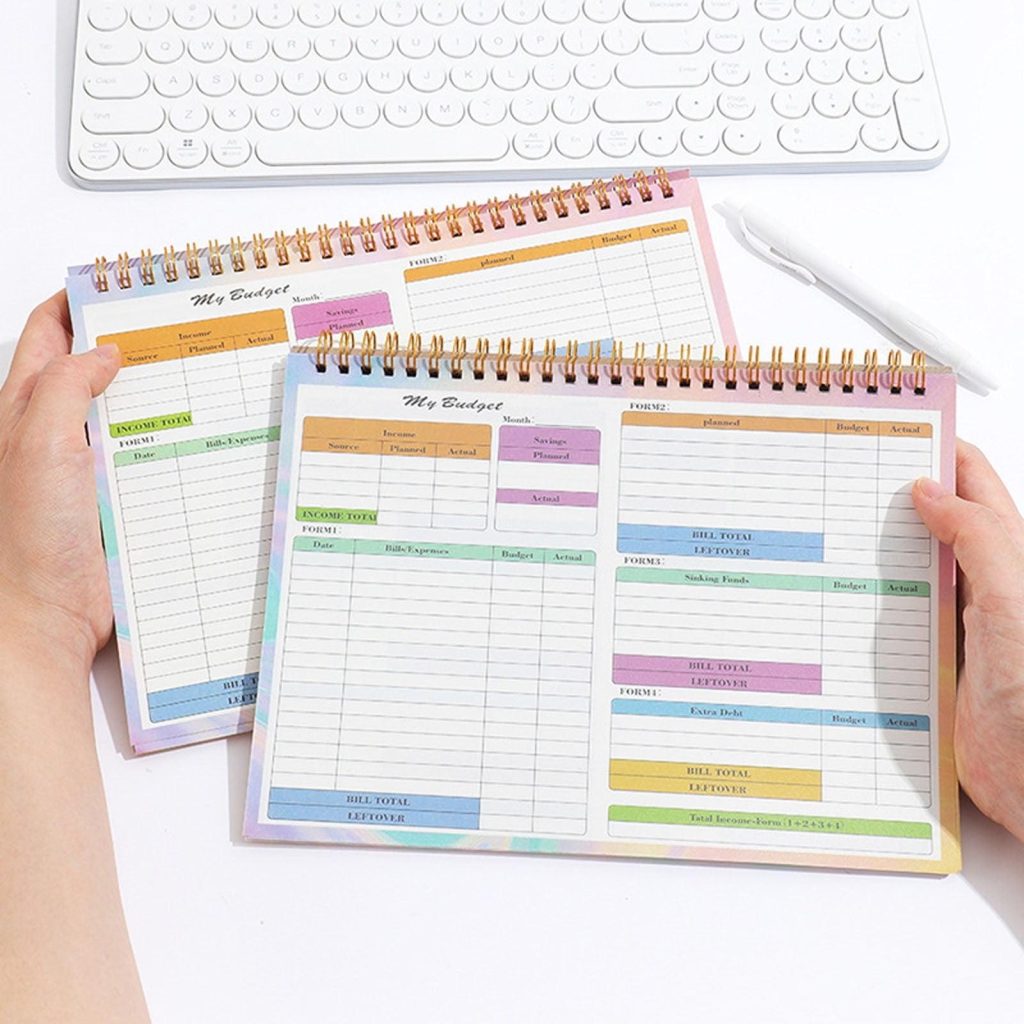

A well-planned personal budget helps you gain control over your finances, reduce stress, and achieve your financial goals. By consistently tracking income, managing expenses, and saving money each month, you can build long-term wealth and financial security.